
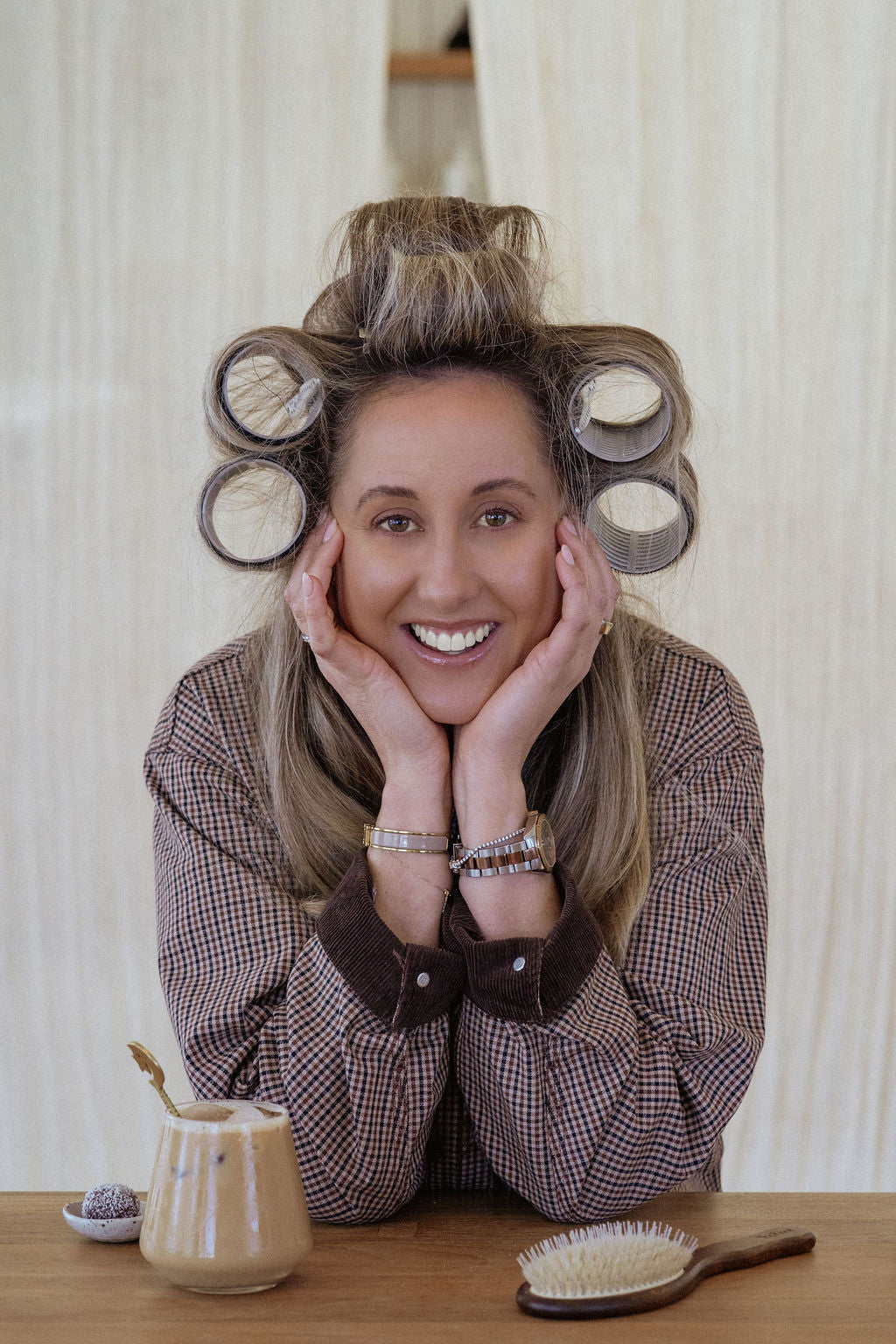
The Best Hair Brush for Fine Hair

The Best Hair Brush for Fine Hair, and How to Detangle Without Breakage
· @Tess
Fine hair is beautiful, and a little delicate. It knots easily and breaks more readily than thicker hair. It is often most tangled first thing in the morning, and most fragile straight after washing.
The best hair brush for fine hair is one that glides through knots without pulling, and is gentle on a sensitive scalp. It is the reason we designed our brushes the way we did. Detangling fine hair can be quick, calm and pain free.
In short
- Fine hair refers to the width of each strand, not how much hair there is.
- Knowing hair type and porosity first makes choosing a brush far simpler.
- Flexible prongs and soft boar bristle are kind to fine hair. Stiff, tightly packed bristles are not.
- Detangle damp or dry, never soaking wet, working from the ends upward.
- Two brushes cover most needs: one to detangle, and one to smooth and add shine.
What makes fine hair different?
Fine describes the diameter of a single strand. A fine strand is usually under about 60 microns across, while a coarse strand can be closer to 100. Fine is also different from thin, which describes how many strands grow on the scalp. It is possible to have a great deal of fine hair.
A smaller strand has less structure inside it. The cortex, which gives hair its strength, is narrower, and the protective cuticle is often thinner too. That means fine hair reaches its breaking point sooner under tension.
It also explains the knots. Fine strands are light and flexible, so they slip around one another and tangle with very little encouragement. Natural oils travel down a fine strand quickly as well, which is why roots can look flat by the end of the day.
Water adds another layer. Wet hair stretches far more than dry hair, and stretched hair snaps more easily. For fine hair, the moments after washing are when it needs the most care.
Not sure whether our hair is fine, medium or coarse? The TopKnot Hair ID quiz [Link] works it out in a few gentle questions.
Why do hair type and porosity come first?
A brush is only the best choice if it suits the hair it meets. Two things matter most: type and porosity.
Hair type covers the width of the strand and its pattern, from straight to wavy, curly or coily. Fine, straight hair tends to tangle at the nape and show oil quickly. Fine, curly hair is often drier, and more fragile at each bend.
Porosity is how easily hair takes in moisture, and how well it holds on to it.
- Low porosity hair has a tightly closed cuticle. Water beads on the surface, and products can sit on top.
- Medium porosity hair absorbs and holds moisture evenly.
- High porosity hair drinks moisture in quickly and loses it just as fast. It is often coloured, bleached or heat styled, and it tangles readily.
Fine hair with high porosity is the most delicate combination. It calls for the softest touch and the most flexible brush. Fine hair with low porosity is more resilient, and benefits from a brush that moves natural oils away from the roots.
Knowing both makes the choice simple. The Hair ID quiz [Link] looks at type, porosity and scalp together.
Which hair brushes should fine hair avoid?
Some brushes ask too much of fine hair. These are the ones we would leave on the shelf.
- Stiff, tightly packed bristles. They cannot move through a knot, so they drag against it. Firmer bristles are better suited to thick or coarse hair.
- Hard plastic pins with rough seams. Tiny ridges left from moulding can catch and tear a fine strand.
- Worn pins with missing tips. Once the rounded tip has gone, the pin can scratch the scalp and snag the hair.
- Metal barrel round brushes. They heat up quickly under a dryer and hold that heat against the hair. Fine hair has little tolerance for it.
- Rigid brushes with no give. A base or prong that flexes will ease past a knot. One that does not will pull straight through it.
An old brush is worth a second look too. A build-up of product, oil and dust transfers back onto clean hair, and fine hair shows it first.
What is the best hair brush for fine hair?
For most fine hair, the answer is two brushes with two different jobs. One detangles. The other smooths and adds shine.

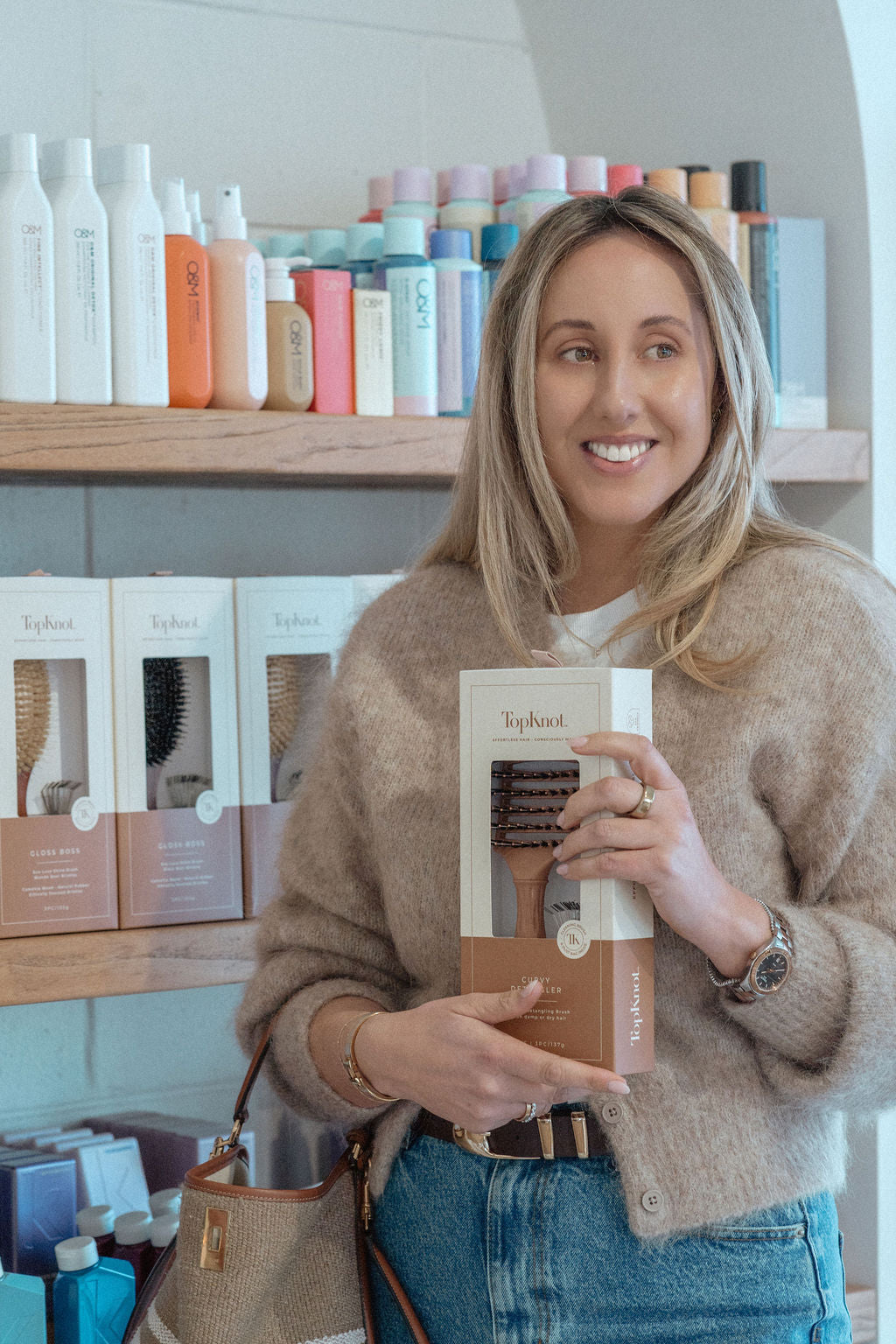
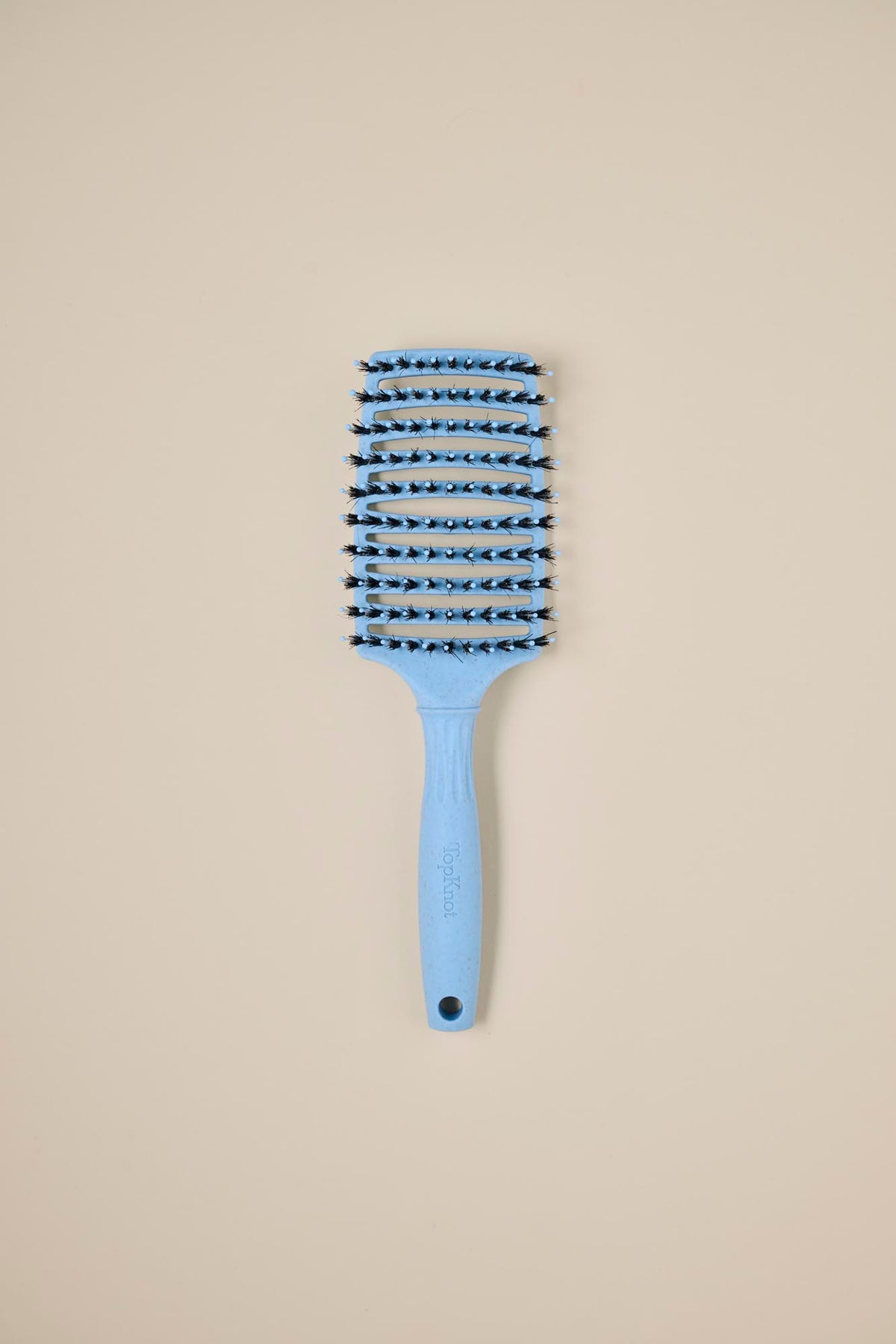
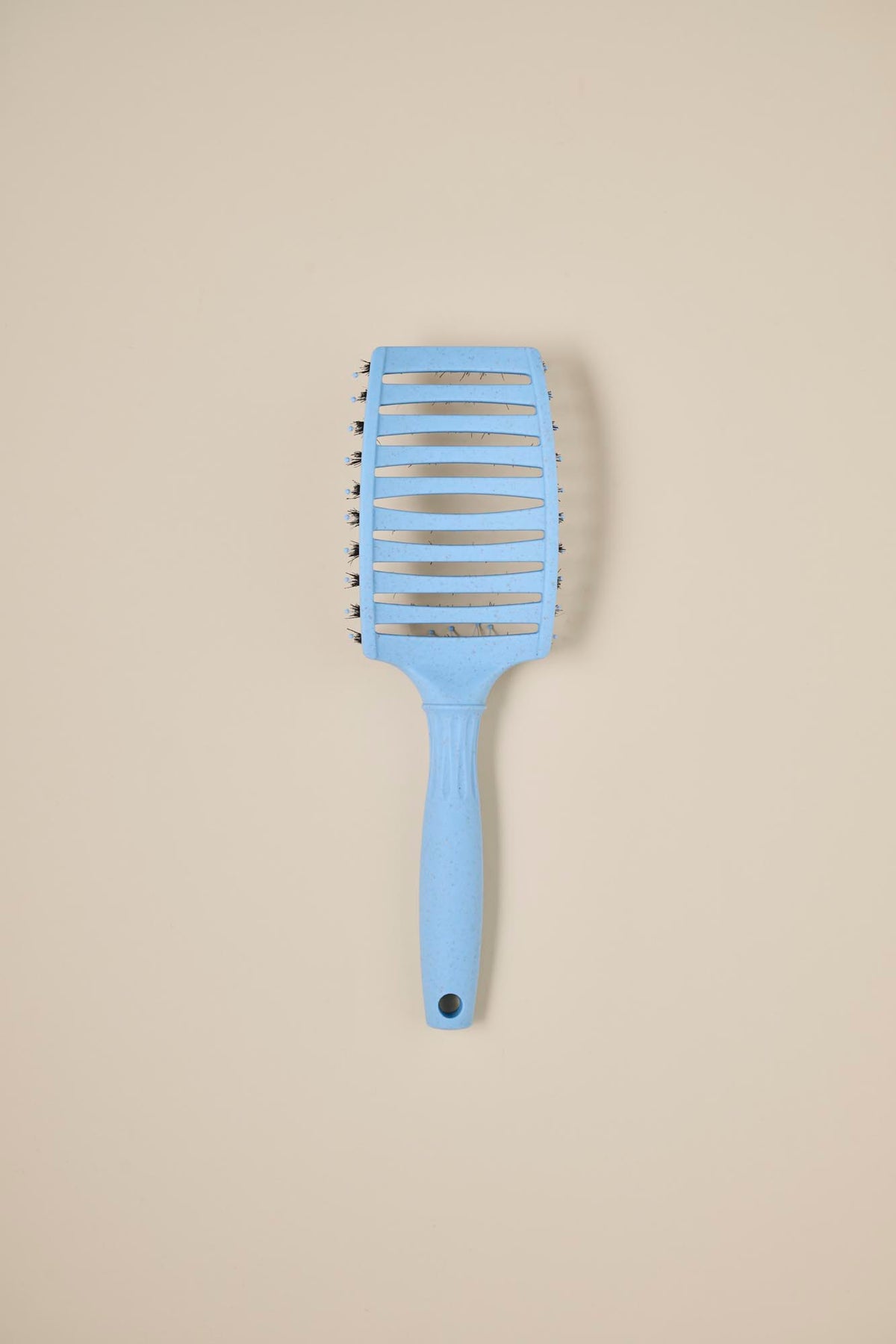
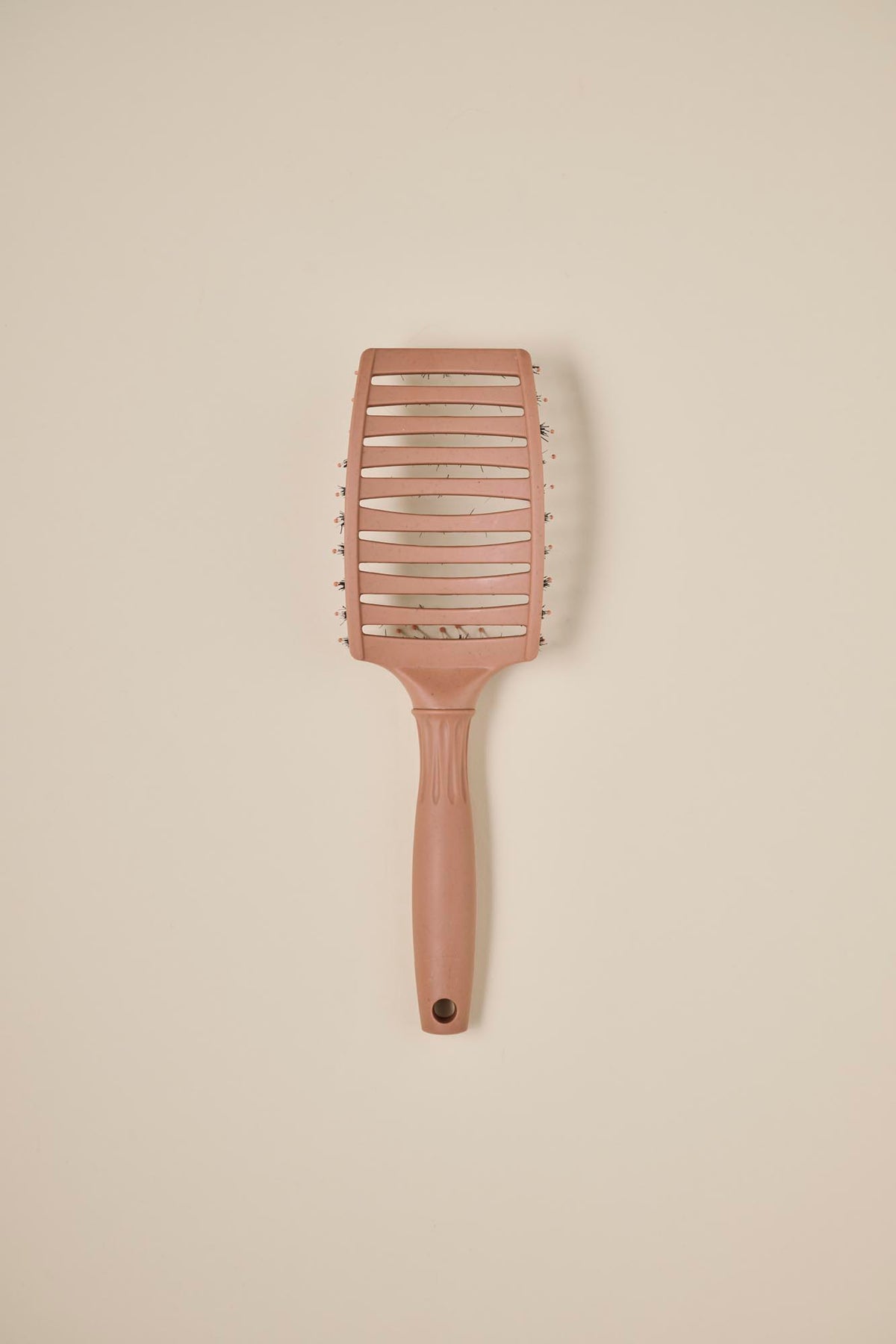
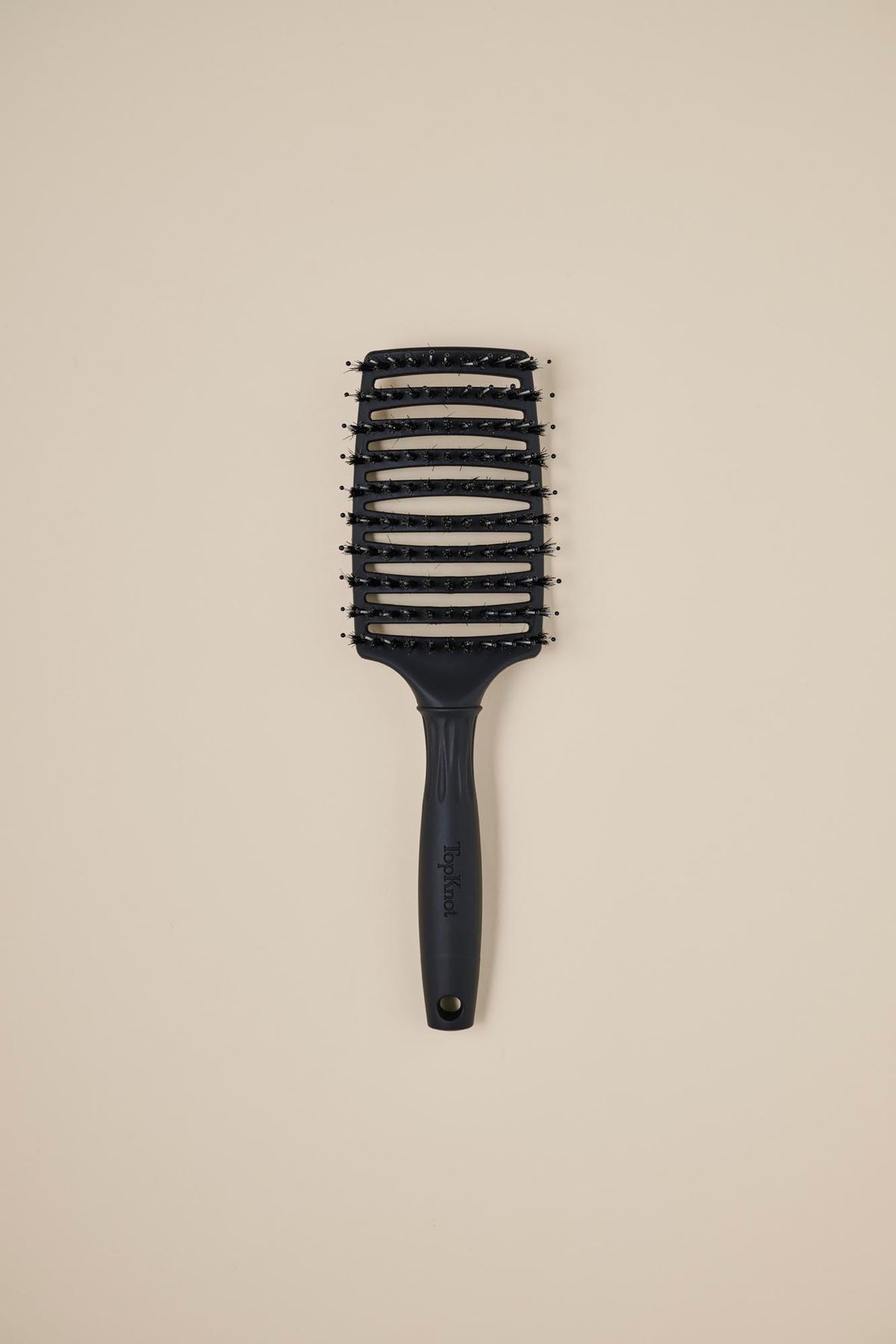
The Curvy Detangler, for knots
The Curvy Detangler began at home, with our daughters and the nightly battle with knots. It pairs real boar bristle with flexible nylon prongs, on a handle made with 30% wheatstraw.
Why it suits fine hair:
- The nylon prongs separate a knot gently, without pulling it tighter.
- The boar bristle smooths each strand as the brush passes through.
- It glides, so there is less tension on the hair and less tugging at a sensitive scalp.
- It works on damp or dry hair, which makes it the one to reach for after washing.

The Gloss Boss, for shine
The Gloss Boss is a finishing brush for dry hair. Boar bristle and nylon prongs sit on a cushioned base, with a Camellia wood handle.
Why it suits fine hair:
- Boar bristle carries natural oils from the roots toward the ends, which helps roots feel fresher and ends look glossier.
- The Blonde version has softer bristles, which makes it our pick for fine hair and sensitive scalps.
- The cushioned base flexes with the head, keeping the pressure light.
- Slow, even strokes smooth flyaways for a polished finish.
Together, they cover the day. The Curvy Detangler is for after washing and whenever knots appear, and the Gloss Boss is for morning and evening. Both were tested with hairdressers, and both come with a dust bag and cleaning comb.
Is boar bristle or nylon better for fine hair?
Each does a different job, which is why we use both. Nylon prongs are smooth and flexible, so they reach through the hair and ease knots apart. Boar bristle is softer and sits closer together, so it smooths the surface and carries oil along the strand.
On their own, each has limits. Nylon alone detangles well but adds little shine. Boar bristle alone polishes beautifully, yet can struggle to pass through a knot. Paired together, they detangle and smooth in a single stroke.
When, and how often, should fine hair be brushed?
Fine hair does well with a little brushing, done gently. Twice a day is plenty for most of us: once in the morning, and once before bed.
A few habits make the difference.
- Wait until hair is damp. Hair is at its weakest when soaking wet. Press the water out with a soft towel, give it a few minutes, then detangle.
- Begin at the ends. Work through the last few centimetres first, then move up a little at a time toward the roots.
- Hold the hair above the knot. A hand between the knot and the scalp takes the tension, so the roots do not.
- Brush before washing. Loosening knots while hair is dry means fewer of them once it is wet.
- Finish the day with a slow brush. A few passes with a boar bristle brush help move natural oils away from the roots.
It is also worth knowing when to stop. Brushing over and over creates friction, and on fine hair that shows up as static and flyaways. Once the brush moves through freely, the job is done.
For more on timing, our guide on whether to detangle hair wet or dry goes deeper. [Link]
How do we keep a brush gentle on fine hair?
A clean brush is a kinder brush. Lift the hair out after each use with the cleaning comb. About once a month, wash the bristles with mild shampoo and lukewarm water. Avoid soaking the whole brush, and let it dry bristle side down.
Looked after this way, a good brush lasts for years. That is the part we care about most: a brush made well enough to keep.
Finding the right brush for our hair
Fine hair does not need a complicated routine. It needs a gentle brush, a little patience and a clear picture of what the hair is like.
That picture is where everything begins. The TopKnot Hair ID quiz asks a few gentle questions to identify hair type, porosity and scalp. From there, it suggests the brush and the routine to suit.
Let's begin with the quiz, and find the best hair brush for fine hair from there.
Effortless hair, consciously made.



Leave a comment
This site is protected by hCaptcha and the hCaptcha Privacy Policy and Terms of Service apply.